Why You Should Start Doing Functional Fitness Right Now
Functional fitness is more than just another gym trend. It’s a training approach that prepares your body for real-life movements, strengthens your muscles, and improves mobility—all while reducing the risk of injury. Here’s why starting today can transform your body—and your life.
Real-Life Strength for Everyday Activities
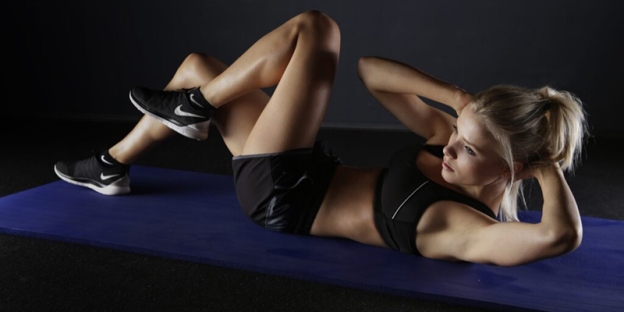
Train For Real-Life Movements:
Functional fitness focuses on exercises that mimic everyday activities. Think squatting to pick up groceries, bending to tie your shoes, twisting to reach overhead cabinets, or carrying heavy bags. By training the exact motions your body performs daily, you reduce the risk of injury and make routine tasks effortless.
Strengthen Multiple Muscle Groups At Once:
Moves like kettlebell swings, walking lunges, push-ups, and deadlifts engage several muscles simultaneously. Instead of isolating a single muscle on a machine, functional exercises target your legs, core, back, and arms in unison, building practical strength that translates directly into daily life.
Improve Coordination And Balance:
Functional workouts challenge your body to stabilise itself in space. Exercises like single-leg deadlifts, step-ups, and medicine ball rotations force your muscles to work together, improving balance, coordination, and spatial awareness. This not only enhances athletic performance but also prevents falls and injuries in day-to-day life.
Enhance Mobility And Flexibility:
Functional movements often involve full ranges of motion, from deep squats to hip hinges. This increases joint flexibility and muscle elasticity, helping you move more freely and comfortably throughout the day.
Boost Endurance And Cardiovascular Health Naturally:
By combining multi-joint, full-body movements, functional training keeps your heart rate elevated while building strength, giving you the immense benefits of cardio and resistance training in one efficient session.
Make Workouts Adaptable For Any Level:
Beginners can start with bodyweight moves like squats and planks, while advanced athletes can add resistance, complex patterns, or explosive plyometrics. The focus is always on real-life, functional strength.
Practical Strength Equals Daily Confidence:
After weeks of functional training, activities like lifting a child, carrying groceries, or climbing stairs feel easier. Your body becomes more capable, coordinated, and resilient, making everyday life feel effortless.
Top Picks for Home & Gym:
- Kettlebells (Rogue, Bowflex)
- Resistance bands (TheraBand, Fit Simplify)
- Adjustable dumbbells (Bowflex SelectTech)
Boost Your Core Stability
- Almost every functional exercise engages your core, which stabilises your spine and improves posture.
- Planks, medicine ball rotations, and single-leg exercises strengthen both deep and surface core muscles.
- Strong core muscles reduce lower-back pain and enhance overall athletic performance.
Pro Tip: Try exercises that challenge balance, like single-leg Romanian deadlifts or stability ball rollouts, for maximal engagement.
Burn Fat And Build Lean Muscle Simultaneously
- Functional fitness incorporates compound movements that use multiple joints and muscle groups, raising your heart rate naturally.
- Circuit-style training, combining squats, rows, and push-ups, boosts calorie burn while toning muscles.
- Unlike traditional cardio machines, this approach improves strength and endurance at the same time.
Gear Recommendation
- Adjustable dumbbells (PowerBlock, Bowflex)
- Medicine balls (Amazon Basics, SPRI)
- Suspension trainers (TRX)
Improve Mobility And Flexibility
- Functional exercises often include dynamic stretches and full-range movements, which increase flexibility.
- Movements like deep squats, hip hinges, and shoulder rotations mimic natural motion patterns.
- Improved mobility reduces the risk of injuries, from sprains to strains, in daily life and sports.
Bonus: Yoga and mobility drills like banded shoulder stretches or hip openers complement functional training perfectly.
Workouts That Fit Your Schedule
- Functional fitness routines are versatile: you can do them at home, outdoors, or in the gym.
- Many routines take only 20–30 minutes, making it easier to stay consistent.
- High-Intensity Interval Training (HIIT) formats, combined with functional moves, maximise results in minimal time.
Recommended Tools:
- Jump ropes (Crossrope, WOD Nation)
- Resistance bands
- Kettlebells
Protect Your Joints And Prevent Injuries
- Strengthening muscles around your joints stabilises them and absorbs shocks from impact.
- Exercises like step-ups, single-leg squats, and push-ups train your joints to handle real-life Stress.
- Unlike repetitive machine exercises, functional movements teach proper alignment, protecting your knees, shoulders, and back.
Tip: Focus on controlled, slow movements initially to perfect your form before adding weight.
Functional Fitness For Athletes And Beginners
- Beginners: Start with bodyweight moves—squats, lunges, planks, and push-ups. Gradually add resistance.
- Athletes: Integrate multi-directional movements, plyometrics, and resistance bands for explosive power.
- Everyone benefits from improvements in balance, agility, and strength.
Pro Gear:
- Dumbbells and kettlebells for resistance
- Medicine balls for rotational strength
- TRX or suspension trainers for bodyweight variations
Mental Benefits Of Functional Training
- Engaging multiple muscle groups and learning complex movement patterns stimulates the brain's cognitive functions.
- This activity improves coordination, focus, and mind-body awareness.
- Many people report reduced Stress and increased confidence after functional workouts.
Tip: Pair with short meditation sessions post-workout to maximise mental benefits.
Track Your Progress Efficiently
- Functional fitness is measurable: track repetitions, balance improvements, or added resistance.
- Apps like Nike Training Club, Fitbod, and Freeletics offer structured routines and logging.
- Tracking progress keeps motivation high and ensures long-term results.
Functional Fitness Is Scalable And Affordable
- You don’t need an expensive gym membership. Start with minimal equipment: resistance bands, dumbbells, or even household items like water jugs.
- As you progress, scale up intensity with heavier weights or more complex moves.
- Many gyms now offer functional fitness zones equipped with kettlebells, medicine balls, and ropes—perfect for guided workouts.
Key Tips for Maximising Results
- Warm up dynamically for 5–10 minutes to prepare muscles and joints.
- Focus on form before adding weight to avoid injuries.
- Combine strength, balance, and mobility exercises in a single session.
- Rest adequately—muscles grow and adapt during recovery.
- Keep workouts consistent: 3–4 functional sessions per week yield noticeable improvements.
Recommended Functional Fitness Brands & Tools
- Kettlebells: Rogue, Bowflex, Kettlebell Kings
- Resistance Bands: TheraBand, Fit Simplify, SPRI
- Suspension Trainers: TRX, Lifeline
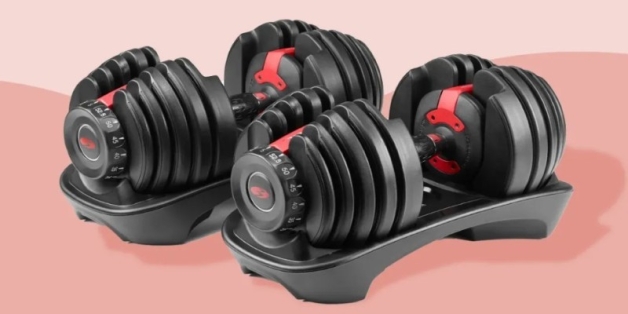
- Adjustable Dumbbells: PowerBlock, Bowflex SelectTech
- Medicine Balls: Amazon Basics, SPRI
Pro Tip: Invest in quality equipment; it lasts longer, ensures safety, and supports progressive overload.
Conclusion
Functional fitness trains your body for real-life movements, improving strength, mobility, balance, and posture. It’s effective for all levels—from beginners to athletes—and helps with daily tasks like lifting and climbing stairs. By focusing on compound movements and core control, you’ll build lasting strength and confidence.
Sessions take just 20–30 minutes and require minimal equipment. Whether your goal is weight loss, better movement, or general health, functional training fits any lifestyle and delivers practical, visible results you can feel every day.